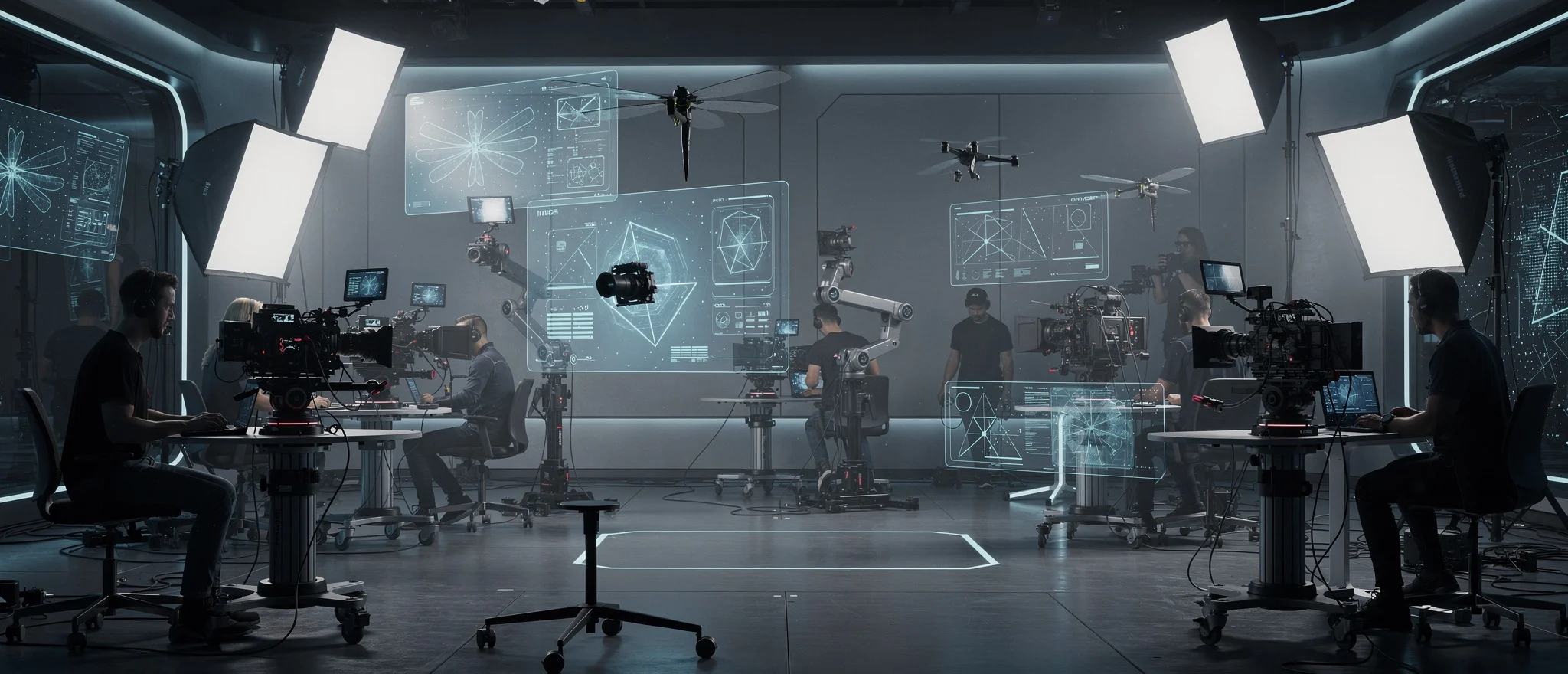
Most video projects go wrong before a single frame is shot. The brief arrives focused on format, a two-minute explainer, a brand film, a product demo, but the format is almost never the right starting point. Getting a finished film that actually performs for the business means working backwards from the problem it needs to solve. This is a walkthrough of how that process runs in practice, where client input matters most, and the steps that determine whether a video finds an audience after launch.
On this page
The Brief Is Never the Starting Point
The first conversation with a new client rarely begins with the video itself. It begins with a business problem. What is the audience not understanding? Where is the sales conversation stalling? Which product feature do people keep asking about because the website does not explain it clearly enough?
Those answers shape every decision that follows. A company that wants a brand film might need a concise product explainer instead. A business requesting a 90-second overview might benefit more from a series of short clips tailored to different buyer stages. Arriving at the format before understanding the problem means building something that looks right but does not do the work.
The diagnostic conversation also sets the success measure. Without one, there is no meaningful way to judge whether the finished film has achieved anything.
How a Production Timeline Runs
A professional production moves through three distinct phases, and the pressure points in each are predictable.
Pre-production
The concept is developed here, the script is written, and the shot list or storyboard is agreed. It is also where most delays originate. Feedback on a script draft takes longer than expected, stakeholder sign-off adds a week, the messaging changes after the director has already scheduled the shoot. Getting all internal approvals done before production begins is not a formality. It is the single biggest factor in keeping a timeline on track.
Production
The shoot or animation build is where client input is lightest, provided pre-production was thorough. For live-action work, the shoot day itself is rarely where problems start. For animated video production, the equivalent stage is asset creation and scene building, which runs concurrently with the voiceover record.
Post-production
Editing, grade, sound mix, format delivery. This phase takes longer than most clients expect, and client review rounds happen here. Each round that requires structural changes rather than minor tweaks adds meaningful time to the schedule. The detail on what this stage involves is covered below.
When Animation Changes What Live Action Cannot Do
The choice between animation and live action matters more than it might seem, because the wrong call surfaces at the edit stage when nothing can be fixed cheaply.
Animation has a clear advantage when the subject is invisible. Blood flow, software architecture, the inside of a turbine, supply chain logic. Live-action cameras cannot show these things without expensive CGI overlays, but animation builds them from the ground up at a fraction of the cost. It also wins when the audience is global and travel is not viable, because an animated film delivers consistent visuals and can be re-voiced into any language without a reshoot. For technical product demos where the physical product either does not exist yet or is too complex to film clearly in a controlled environment, animation is often the only practical option.
Live action holds its ground for testimonials, event coverage, and anything where the authenticity of a real face or real location carries the message. The choice should follow the brief, not the production team’s preference.
The Post-Production Stage Most Clients Underestimate
Cutting the footage together is roughly a third of what post-production involves. The rest is what separates a film that looks broadcast-ready from one that looks assembled.
- Colour grade sets the emotional register of the footage. A corporate film graded cool and clean reads differently from the same footage graded warm. It is not a filter. It is a deliberate creative decision.
- Sound mix balances dialogue, music and effects so the film sounds consistent across speakers, headphones and mobile. Badly mixed audio is the fastest way to lose a viewer’s attention, and it is noticed immediately even by audiences who would not name it as the problem.
- Format delivery means exporting the film correctly for each platform. A file that plays well on a cinema screen will not necessarily perform on LinkedIn, where autoplay, square crop and silent viewing are all factors.
Professional video editing and post-production accounts for all of this. Treating it as a fast final step is one of the more reliable ways to undo solid production work.
Getting Footage That Works After Launch
A finished film sitting in a Dropbox folder is not a business asset. Getting it in front of the right audience requires a few specific decisions at delivery stage.
File format matters by platform. MP4 with H.264 encoding covers most web and social use. YouTube handles H.264 and H.265. Broadcast delivery requires specific codec and bitrate specs that differ by broadcaster.
Metadata is where most brands leave performance on the table. A video uploaded without a descriptive title, a transcript, and a proper thumbnail is harder for search engines to index and harder for users to choose. Google indexes video content, and a properly tagged file with a corresponding video sitemap gives the film a genuine chance of appearing in search results.
One practical step before your next launch, ask for a full transcript at delivery and upload it as a closed caption file. It improves accessibility, extends watch time, and helps the video get found.