


A brand comes in with a strong product, a decent budget, and a list of things they want the video to say. Six weeks later they have a film that says all of them and connects with nobody. This happens more often than it should, and the fault rarely sits with the production itself. The problems are almost always baked in before a camera is switched on. Understanding where commercials actually succeed or fail changes how you approach the entire process.
On this page
- The Brief Is Where Most Commercials Are Lost
- What ‘Emotional Hook’ Means at the Level of Craft
- What to look for in previous work
- Why the First Three Seconds Decide Everything
- Production Quality Signals Trust Before a Word Is Spoken
- The unglamorous decisions that actually protect quality
- Getting the Right Production Partner Changes the Output
- How to use the first meeting well
The Brief Is Where Most Commercials Are Lost
The briefs that produce weak films share a common shape. They list objectives, raise awareness, explain the product, drive clicks, build trust. What they don’t do is name a single, specific feeling the viewer should leave with. That might sound like a small distinction, but it shapes every decision downstream, from casting to colour grade to the final line of script.
A brief that says “we want people to feel reassured that this software won’t disrupt their existing workflow” gives a director something concrete to work with. A brief that says “communicate our key USPs to IT decision-makers” produces a brochure with moving parts. The cleaner the emotional target, the cleaner the film.
If you’re writing a brief and you find yourself listing more than one core audience feeling, treat that as a signal to go back and choose. A commercial that tries to reassure, excite, and educate simultaneously tends to do none of them well.
What ‘Emotional Hook’ Means at the Level of Craft
Every agency claims to lead with emotion. Few explain what that means when you’re making real decisions in pre-production. An emotional hook isn’t a mood board or a vague direction to “keep it warm.” It’s a set of very specific calls that have to be made early.
Consider casting. A face that reads as authoritative in a headshot can read as cold on screen. The opening shot sets a tonal contract with the viewer before a single word is spoken. Music tempo at the thirty-second mark influences whether a message feels urgent or calm, regardless of what’s being said. The first line of the script either earns the next ten seconds of attention or it doesn’t, and there’s no recovering from losing it.
These are craft decisions, not creative feelings. The best commercial directors treat them as technical problems with testable answers.
What to look for in previous work
When you’re evaluating a production company’s back catalogue, watch the first ten seconds of each piece and ask what feeling is established before any product mention. That tells you more than a highlights reel ever will. If the opening ten seconds of every film is a slow logo reveal or a wide establishing shot of an office, that’s a creative habit worth noting.
Why the First Three Seconds Decide Everything
Viewer drop-off on short-form commercial content is steepest in the opening three seconds. Platform data across social channels has shown it consistently. Yet most brands direct the bulk of their creative energy at the middle of the film, where the product explanation lives.
The opening window needs to do one thing. Make the viewer feel they’re in the right place. Not explain, not sell, not even intrigue in a complicated way. Just signal clearly that the next thirty seconds will be worth their time.
The commercials that hold attention longest tend to open with something visually unexpected or emotionally immediate. A close-up that’s slightly too close. A sound before the picture settles. A character mid-action rather than in setup. None of these choices cost anything extra to produce, but they do require a director who thinks about the frame before the script, not after. That order of thinking is rarer than it should be.
Production Quality Signals Trust Before a Word Is Spoken
Muddy audio is the fastest way to lose a viewer’s trust. Not because they notice it consciously, but because the brain registers low production quality as a proxy for low credibility. The same applies to poorly managed lighting, shaky handheld that wasn’t an intentional stylistic choice, or colour grading that makes skin tones look unnatural. Viewers process these signals in under a second, and the judgement they form about the brand behind the film is difficult to reverse no matter how strong the message that follows.
The unglamorous decisions that actually protect quality
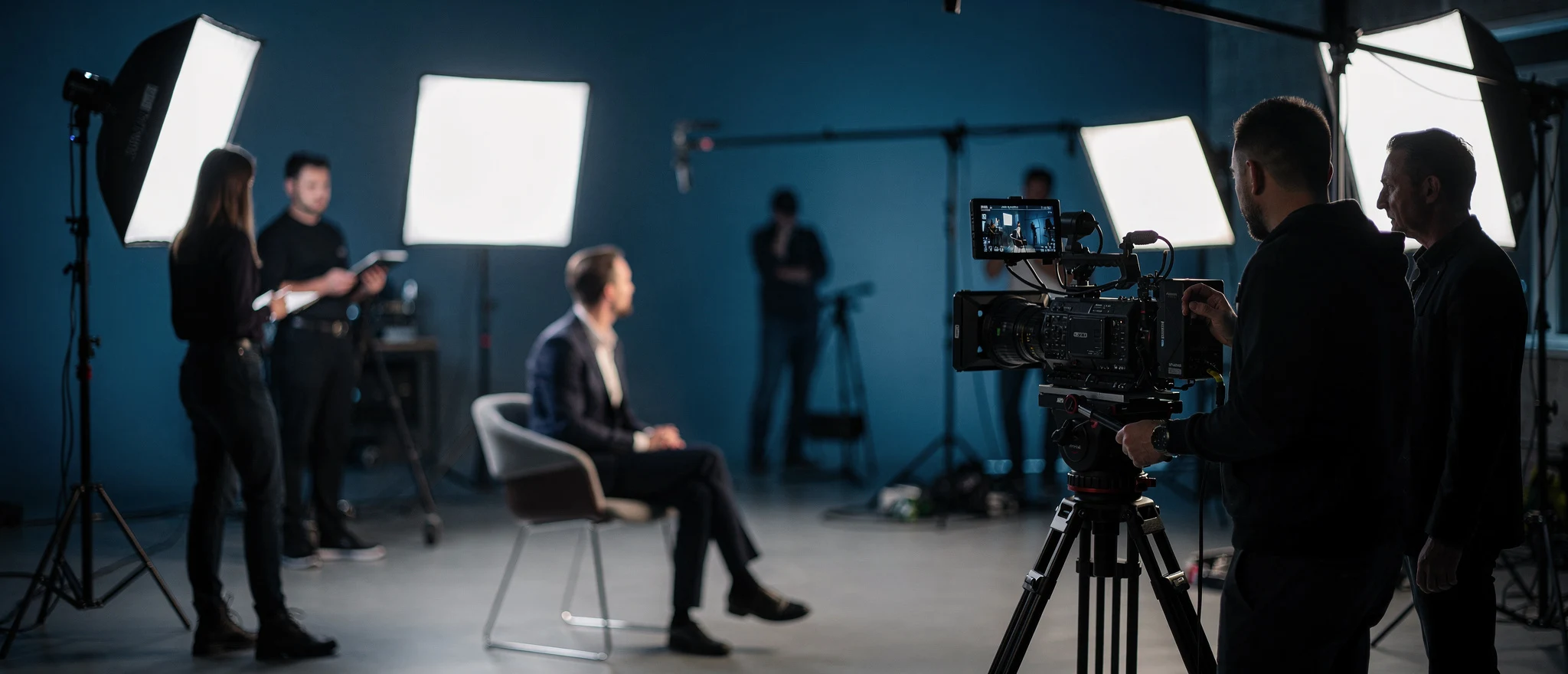
The specific decisions that protect quality on set are less glamorous than most clients expect. Choosing locations with decent acoustic control. Allocating enough time for lighting setups rather than rushing to shoot. Having a sound recordist on set rather than relying on camera audio. For commercial video work in particular, post-production audio mixing matters as much as the original recording. These aren’t upsells. They’re the foundation the message sits on.
Getting the Right Production Partner Changes the Output
The difference between a production company that executes your brief and one that improves it at the brief stage is significant. Most brands don’t realise that the brief stage is where a strong creative partner earns their fee, not during the shoot.
When you’re choosing a video production company, look for a few specific things beyond a strong showreel.
- Do they push back on a brief, or just confirm they can deliver it?
- Have they produced work across different sectors, so they understand what makes audiences in your category respond?
- Can they show you the thinking behind a previous commercial, not just the finished film?
A company that asks good questions before the pitch has thought about your problem. One that sends a treatment the same day you’ve shared the brief probably hasn’t.
How to use the first meeting well
If you have a commission in mind, bring the brief and ask the production team to challenge it before you agree on a direction. That conversation, in the first meeting, will tell you more about the quality of the partnership than any case study. You can explore what a dedicated commercial video company does at brief stage before you commit to anything.